Loading...
Serving Sonoma, CA and surrounding areas. (707) 231-4240
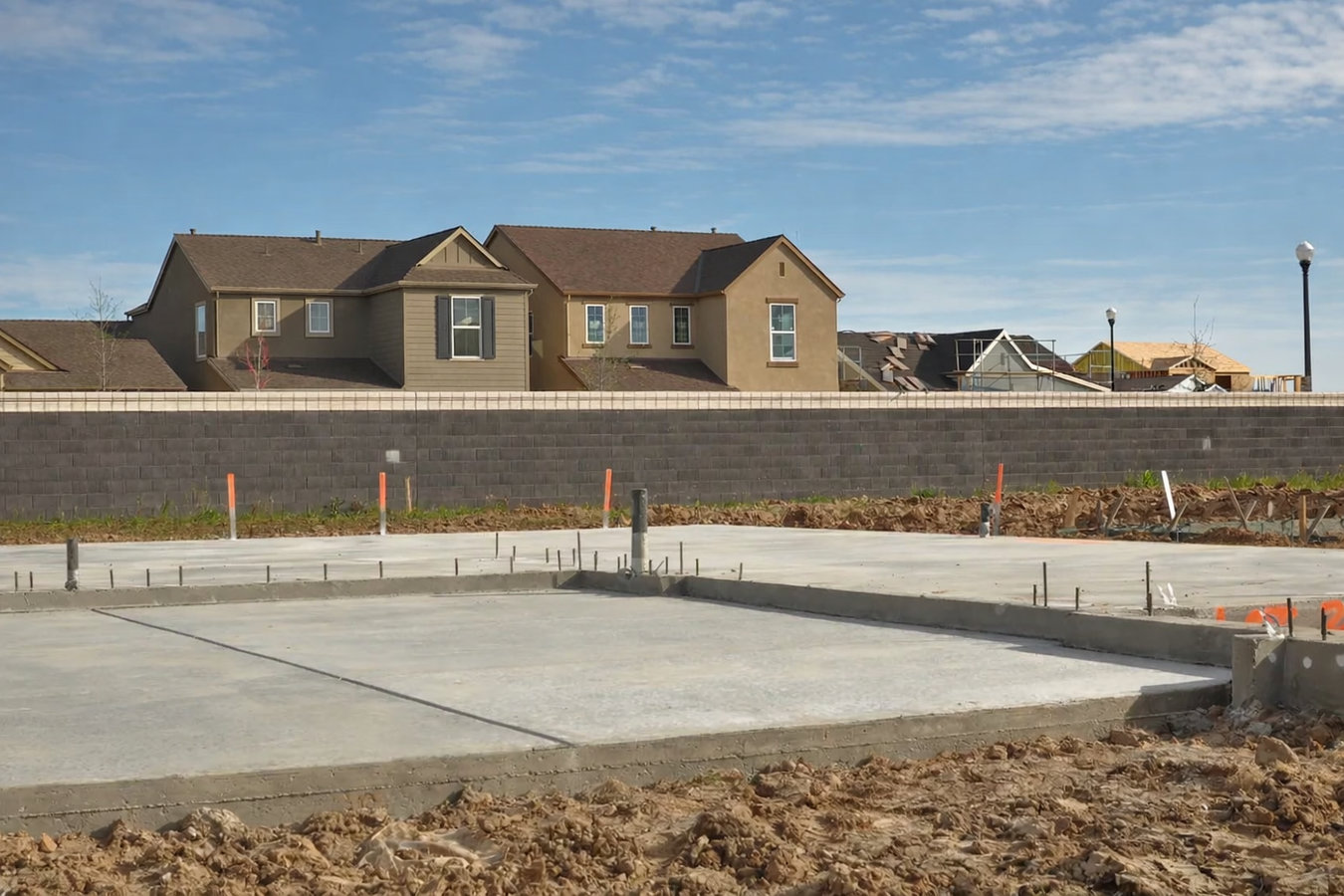
Building a new home, garage, or ADU in Sonoma starts with a slab built for local clay soils and seismic requirements. We pour it right, pull the permit, and schedule the inspection — so your project moves forward without delays.
Slab foundation building in Sonoma means pouring a single reinforced concrete pad directly on prepared ground that becomes both the floor and the structural base of your home — most residential projects take two to four days of active work, with at least seven additional days of curing time before framing can begin.
Most people call us when they are breaking ground on a new home, an ADU, or a detached garage — situations where the slab is the first concrete step in a longer project. In Sonoma, ADU construction has grown steadily in recent years, and a properly poured slab is the most common and cost-effective foundation choice for these structures. Getting the slab right the first time means the rest of the project does not have to work around foundation problems.
When your project requires anchoring structures below the slab, that work connects directly to our concrete footings service, which handles the below-grade anchoring that a standalone slab does not always include.
If you are breaking ground on a new home, a garage, or an ADU in Sonoma, a slab foundation is likely your first concrete task. In this area, slab-on-grade construction is the most common approach for new residential structures, and the process — from permit through pour — needs to be scheduled well in advance of your framing crew's arrival date.
Hairline cracks in concrete are common, but cracks wider than a quarter inch, diagonal cracks near corners, or sections where one side sits higher than the other are signs of movement in the ground below. On Sonoma's clay-heavy soils, this kind of shifting is not unusual, but it means the slab may need replacement rather than a surface patch. A surface patch does not fix what is happening underneath.
When a slab foundation shifts or settles unevenly, the frame of the house above it can rack slightly out of square. The first visible sign is often doors and windows that stick, drag, or no longer close properly. If this is happening in multiple rooms at once, the cause is almost always the structure below — not the doors themselves.
After the wildfires that affected parts of Sonoma County, many homeowners discovered their existing slabs had been weakened by heat or by the debris removal process. A slab that looks intact from the surface can have internal cracking that will not safely support a new structure. If you are rebuilding, get the existing slab evaluated before assuming it can be reused.
A slab foundation is only as good as the work that happens before the concrete truck arrives. We handle every step: clearing and grading the site, digging to the required depth, laying a compacted gravel base for drainage, installing the moisture barrier, and setting the rebar in the pattern your slab design calls for. Only then do we pour. The prep work is what separates a 50-year slab from one that starts cracking in five.
We also manage the permit process through the City of Sonoma Building Division or Sonoma County, depending on your property location. Permit review typically takes two to four weeks, and we track the timeline so it does not catch you or your general contractor off guard. The concrete inspection happens before the pour — not after — so any issue is caught while it is still easy to fix.
When your project requires more than a slab alone, we coordinate the scope with our foundation installation service, which handles full foundation systems including stem walls and engineered designs. And if the project needs below-grade anchoring, our concrete footings work runs as part of the same coordinated project.
Standard slab-on-grade construction for new homes, ADUs, and room additions on Sonoma lots.
Standalone concrete pads for detached garages, workshops, and outbuildings — sized and reinforced for the structure above.
Full slab evaluation and replacement for properties rebuilding after wildfire damage in Sonoma County.
Rebar placement and slab-to-frame connections designed to meet California seismic requirements for the Sonoma fault zone.
We handle the permit application, coordinate the pre-pour inspection, and deliver a clean permit record at project close.
Gravel base depth and drainage design adjusted for Sonoma's expansive clay soils — not a standard spec applied regardless of site conditions.
Building a slab in Sonoma is not the same as building one in Sacramento or the Central Valley. The clay-heavy soils throughout much of the Sonoma Valley swell when they absorb winter rain and shrink back in summer heat. A slab poured without accounting for this movement will start showing cracks and uneven sections faster than most homeowners expect. We design our gravel base depth, rebar spacing, and concrete thickness around what the ground here actually does — not a one-size-fits-all spec.
The seismic requirements in this area add another layer of specificity. Sonoma sits near several active fault systems, and California requires that slabs and the connections between them and the framing above meet earthquake safety standards. The California Geological Survey publishes fault zone maps for Sonoma County that inform how we detail reinforcement on each project. Getting those details right is what the permit inspection is designed to verify.
We work on slab projects across all 12 cities in our service area. In American Canyon, new construction on hillside lots brings specific grade challenges. In Napa, older neighborhoods rebuilding after fire damage need evaluated slabs before anything new is poured. And throughout Santa Rosa, new ADU projects are one of the most consistent drivers of slab foundation work in the region.
We respond within one business day. You will speak with someone who knows Sonoma's permitting process and soil conditions — not a call center. We ask basic questions about your project scope and schedule a site visit at no cost.
We walk your property, assess the soil and grade, take measurements, and discuss your timeline. You receive a written estimate that breaks out labor, materials, and permit fees — so there are no surprises when the invoice arrives.
We submit the permit application to the City of Sonoma or Sonoma County and track the review. Once approved, the crew begins site preparation: grading, forming, gravel base, moisture barrier, and rebar installation. This phase typically takes one to two days.
The city or county inspector visits before the pour to verify the rebar and formwork. We pour on a weather-appropriate day and manage the curing period — keeping the surface covered or misted in warm weather. Once the slab passes its final inspection, it is ready for your next trade.
Free on-site estimate. No obligation. We handle the permit so you do not have to.
(707) 231-4240We do not apply the same gravel base and rebar layout to every project. Sonoma's clay-heavy ground requires adjusted thickness, deeper drainage, and reinforcement spaced for the seasonal expansion and contraction this soil produces. Every slab we pour starts with an assessment of what is actually under your site.
Whether your property falls under the City of Sonoma Building Division or Sonoma County's permit office, we know both processes. We submit the application, track the review timeline, and schedule the inspection — so you are never left wondering where your permit stands while your construction schedule is on hold.
Every residential slab we build in Sonoma County includes the anchor bolt placement and rebar detailing required by California's seismic standards. This is not an add-on — it is part of every quote we give. The permit inspection confirms it before the pour.
We follow placement and curing practices from the American Concrete Institute — the national body that sets professional standards for concrete work. That means the right mix for local conditions, proper curing time management, and surface finishing that produces a slab your framing contractor can work on without complaints.
Every slab we pour is backed by a permit record that protects your home when you sell, refinance, or deal with your insurer. After the wildfire years in Sonoma County, documented, inspected construction work has real value — and we make sure you have it.
When your project requires a full foundation system — including raised stem walls or an engineered design — our foundation installation service covers the complete scope.
Learn moreFootings are the below-grade anchors that transfer the load of your slab or structure into stable soil — a step that determines long-term performance on Sonoma's clay soils.
Learn morePermit season fills up fast in Sonoma County — call now to lock in your project start date before the next construction window closes.