
Loading...
Serving Sonoma, CA and surrounding areas. (707) 231-4240
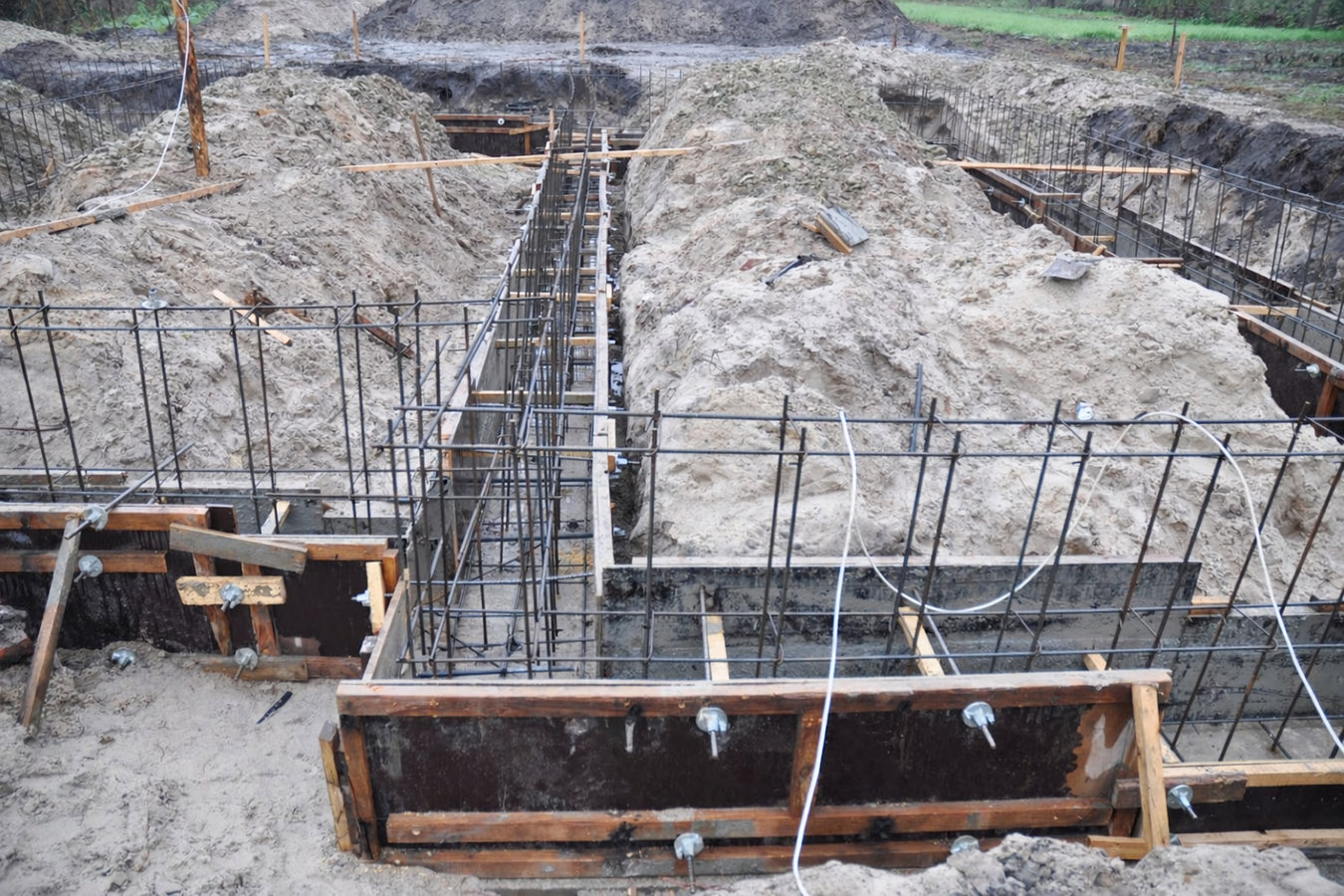
A deck that tilts, an addition that cracks, or a structure that pulls away from the house almost always traces back to footings that were not right for Sonoma soil. We dig, form, and pour footings that stay level through every wet and dry season.
Concrete footings in Sonoma are the underground bases that support decks, additions, pergolas, and other structures — most residential footing projects take one to three active work days, plus one to three weeks for permit processing and a required inspection before the pour.
A footing is only as good as the soil it sits in. Sonoma Valley's clay-heavy ground swells when it absorbs winter rain and shrinks when it dries in summer, and that movement repeats every season. Footings that were not sized or placed correctly for these conditions gradually shift, which is why decks in this area pull away from houses and additions develop cracks that were not there at the time of construction.
Footing work is the foundation — sometimes literally — for larger projects. When a new deck or room addition also requires a full foundation installation, we can coordinate both scopes of work in a single project so the schedule and permit process stay streamlined.
A gap opening between your deck and the exterior wall, or a deck surface that has started to tilt noticeably, usually means the footings underneath have shifted. This is especially common in Sonoma after a wet winter followed by a dry summer, when clay soils expand and contract and push footings out of position. Left alone, the gap grows and the structural connection weakens.
Small hairline cracks in concrete are normal over time, but cracks that are wider than a pencil tip, diagonal, or clearly growing are a sign that something below is moving. In Sonoma's clay-heavy soil, this kind of movement often traces back to footings that were not sized or placed correctly for local conditions. The longer cracks are left, the more costly the repair becomes.
When footings settle unevenly, the frame of the structure above them shifts slightly out of square. The first place you usually notice this is in doors and windows that suddenly stick, will not latch, or have visible gaps at the corners. If the addition is less than 20 years old and this is happening, the footings are worth having a contractor look at.
Many Sonoma properties sit on sloped terrain, particularly in the hills east and west of the valley floor. Sloped lots require deeper footings on the downhill side to keep everything level, and sometimes require a structural engineer's input before Permit Sonoma will approve the project. If your lot is not flat, budget more time and cost for this step.
We dig, form, reinforce, and pour concrete footings for new construction and for existing structures where the original footings have failed. Every project starts with a site assessment that looks at the slope of the lot, the soil conditions, and what is being built on top — a simple deck footing on flat ground requires a different approach than a hillside addition where the downhill footing needs to go significantly deeper.
Footing work is frequently the first phase of a larger project. When a new structure also requires a full foundation installation, we coordinate both scopes under one permit process and one mobilization. For properties where the footings are the entire base — such as a standalone slab foundation for a detached garage or ADU — we can handle the full pour from footings through finished slab in sequence.
All footings we pour include steel reinforcement — rebar placed inside the forms before the concrete goes in. The steel is what keeps a footing from cracking under load, and in Sonoma County's seismically active zone it is also required by the California building code. We do not skip or minimize the steel because a footing without it is a footing that will eventually fail.
Best for homeowners adding a new deck, pergola, or covered patio where the structure needs code-compliant, inspected footings beneath it.
Best for properties adding a bump-out, sunroom, or any living space extension that requires structural support below the framing.
Best for Sonoma properties on sloped terrain where the downhill footing depth, drainage, and engineer coordination all need extra attention.
Best for existing structures that are settling or pulling away from the house, where new footings need to be added alongside old ones to stabilize the load.
Two factors make footing work in Sonoma more demanding than in many other parts of California: clay soils and seismic requirements. The California Geological Survey maps Sonoma County as seismically active, which means footings here must be reinforced and connected to the structure above them in ways that meet earthquake-resistant design standards. That is not optional paperwork — it is what keeps a deck or addition from separating from the house during a significant shake. At the same time, Sonoma Valley's clay-heavy soils add a second layer of challenge: the ground moves seasonally, and footings that were not sized for that movement will shift whether or not there is ever an earthquake.
Permits for footing work in Sonoma are handled through Permit Sonoma, which covers both city and unincorporated county properties. An inspector from Permit Sonoma visits the site before the concrete is poured to check depth, size, and steel placement against the approved plans. This inspection is genuinely protective — it means a professional set of eyes confirms the work is correct before it is buried underground and impossible to fix without tearing out the structure above it.
We work on footing projects throughout the North Bay, including Napa, Sebastopol, and American Canyon. All of these communities share the same seismic zone and similar soil challenges, and we bring the same depth of local knowledge to every job site.
We visit your property before giving you any numbers — slope, soil, and project size all affect the price, and we need to see them in person. You will receive a written estimate that breaks down labor, materials, and permit fees. Expect a reply within one business day of first contact.
We apply for the building permit on your behalf before any digging starts. Processing through Permit Sonoma typically takes one to three weeks for straightforward projects. We handle the paperwork and keep you updated so you are not chasing the status yourself.
On the day of work, we dig to the required depth, set forms, and place the steel reinforcement. Before any concrete goes in, a Permit Sonoma inspector visits the site to verify depth, size, and steel placement against the approved plans. The pour happens after the inspection passes.
Concrete is poured and finished. It needs at least seven days before any framing or load is placed on it — we may cover it with plastic or wet burlap during warm weather to slow the drying process and maximize strength. Final documentation is provided at project close.
Free on-site estimate. We handle the Permit Sonoma paperwork. No surprises on the day of the pour.
(707) 231-4240We have pulled building permits through Permit Sonoma for footing projects of all types and sizes. We know what inspectors look for, and we submit complete applications that do not come back with correction requests. Your project moves forward on schedule rather than waiting on paperwork corrections.
Sloped lots are common throughout Sonoma, particularly in the hills east and west of the valley floor. We have done footing work on dozens of hillside properties where the downhill side requires significantly deeper excavation to keep the structure level. That experience is not something a general contractor brings from flat-ground work.
The American Concrete Institute standards that govern structural concrete specify exactly how steel should be placed and connected in seismically active zones. We follow those standards on every footing we pour — not because the inspector will catch it if we do not, but because the steel is what keeps your structure safe when the ground moves.
From Sonoma to Vallejo, Napa to Mill Valley, we have poured footings on properties across 12 communities in the North Bay. Every area shares similar soil and seismic conditions, and we bring the same thorough site assessment and permit process to each one. References from completed Sonoma Valley projects are available on request.
A footing is underground the moment the pour is done, and no one will ever see it again. That is exactly why the quality of the work matters so much — there is no chance to fix it without tearing out whatever is built on top. We do the soil assessment, the permit process, and the pour correctly the first time so the structure above your footings stays level for decades, not just a few seasons.
When your project needs more than footings, we handle the full foundation installation from excavation through finished concrete.
Learn moreFor detached garages, ADUs, and outbuildings that need a complete slab foundation built on top of properly formed footings.
Learn morePermit Sonoma schedules get busy in spring — call now or submit the form and we will respond within one business day to arrange your site visit.