
Loading...
Serving Sonoma, CA and surrounding areas. (707) 231-4240
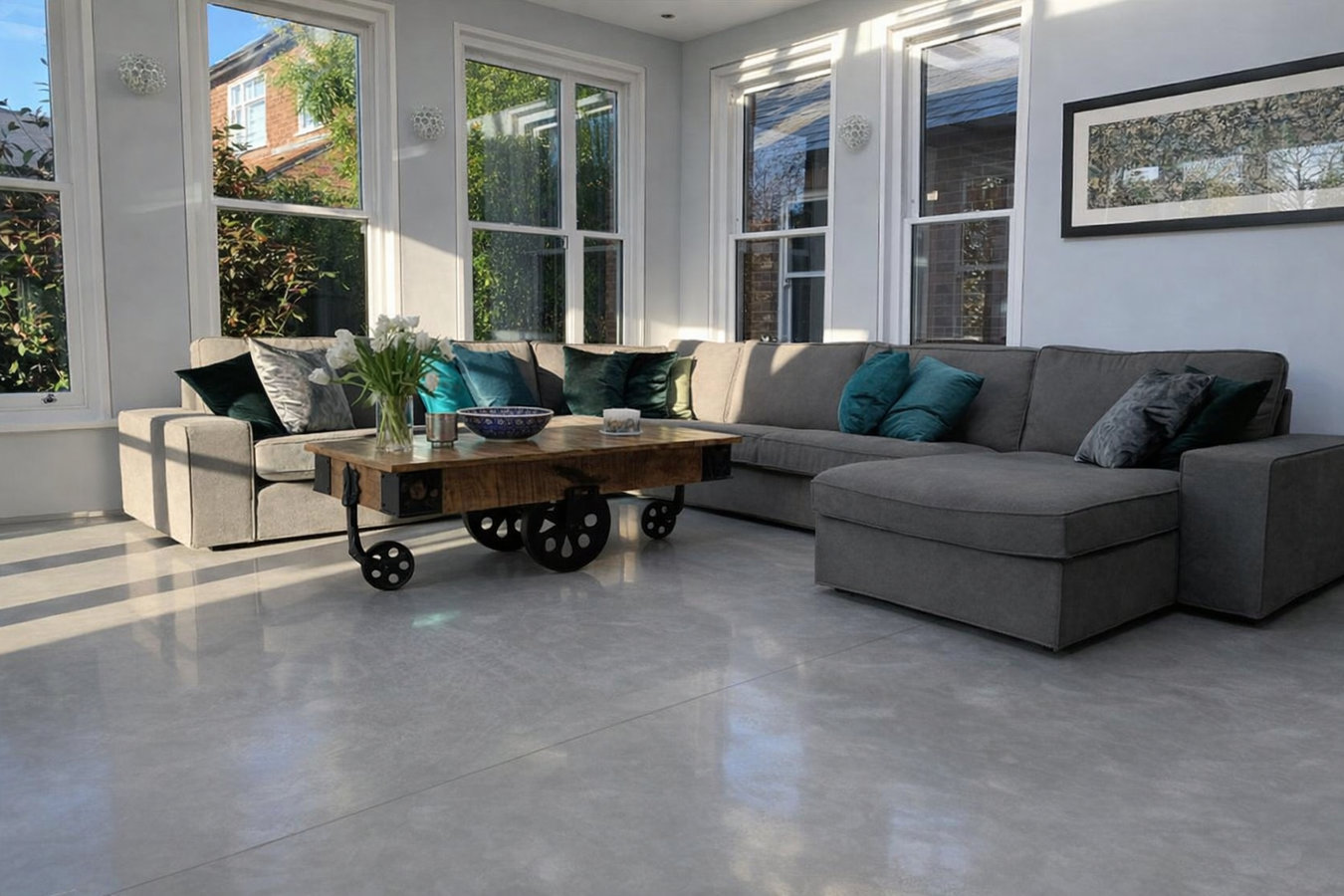
Cracked, damp, or dirt-floor spaces in Sonoma? We install concrete floors for garages, workshops, and home conversions — base prep done right for local clay soils, permits handled, no shortcuts.
Concrete floor installation in Sonoma means preparing the ground, placing reinforcement and a moisture barrier, then pouring and finishing a slab to the depth and surface treatment your space requires — most residential projects take one to three days of active work, with the floor ready to walk on within 48 hours.
Most homeowners contact us when an existing floor has deteriorated past the point of patching, when they are converting a garage or outbuilding into usable space, or when they are starting with bare dirt in a structure that has never had a slab. A significant share of Sonoma's housing stock dates to the mid-20th century — which means garages, barns, and workshops that were built without slabs, or with thinner pours that have reached the end of their life.
If you are planning a vehicle-ready slab in your garage specifically, our garage floor concrete service is purpose-built for that scope. For spaces where the finish matters as much as the function, we also offer decorative concrete options including polished, stained, and stamped surfaces.
Small hairline cracks are mostly harmless. But if your cracks are wider than a pencil tip, have edges at different heights, or return in the same spots after you patch them, the ground underneath is moving. In Sonoma, this pattern is common where clay soil expands in wet winters and contracts in dry summers — the floor surface cannot be fixed without addressing what is happening below.
A properly installed concrete floor has a slight slope built in so water runs away from the structure. If you see standing water after rain or after washing the floor, the slab has either settled unevenly or was never graded correctly. That standing water will work into cracks and accelerate damage — especially through Sonoma's wet winters.
When the top layer of a concrete floor starts to chip or crumble when you sweep, the surface has deteriorated past simple repair. This is common in older Sonoma homes where the original slab was poured decades ago without modern moisture protection. A new floor is usually more cost-effective than trying to resurface a slab that has failed at the structural level.
A damp, musty odor from a concrete floor — especially in a basement or ground-level room — often means moisture is migrating up through the slab. During Sonoma's rainy season, groundwater levels rise and push moisture through older slabs that were never sealed. White chalky deposits, dark staining, or dampness underfoot are all signs a new floor with proper moisture protection is worth a serious look.
Every floor project starts with the ground underneath. We assess the existing subgrade — checking soil stability, drainage, and what needs to be done before any concrete is placed. We then handle removal of the old floor if needed, excavation to the correct depth, soil compaction, gravel base placement, vapor barrier installation, and reinforcement before the pour. The finishing step — broom texture, smooth trowel, or decorative treatment — is chosen based on how you plan to use the space.
For spaces that will hold vehicles, we pour at five or six inches with steel reinforcement inside the slab. For living space conversions and workshops where appearance matters, we trowel-finish and prepare the surface for sealing or coating. Every pour includes control joints placed at correct intervals so any future cracking follows planned lines rather than random fractures.
When the floor is part of a garage replacement project, our garage floor concrete service handles that scope with everything included — demolition, subbase, and vehicle-ready pour. For homeowners who want a finished surface with color or texture, our decorative concrete service covers polished and stained floors that hold up to daily use while looking significantly better than plain gray.
Slip-resistant texture suited to garages, workshops, and any floor where grip underfoot matters more than appearance.
A flat, clean surface for living space conversions, home offices, and floors that will receive a sealer or epoxy coating.
Steel rebar or welded wire mesh inside the pour — recommended for vehicle-use floors and spaces with soil movement history.
Polyethylene sheeting placed under the slab to block ground moisture — essential for any floor sitting on or near grade in Sonoma.
Full removal of the existing slab, subbase, and debris before the new floor goes in — included when the existing floor needs to come out.
We handle the building permit application and inspection with the City of Sonoma or Sonoma County Building Division — no extra steps required from you.
Much of Sonoma's housing stock dates to the 1950s through 1970s, and many of those homes have garages, workshops, or outbuildings with deteriorating slabs — or no slab at all. Replacing or adding a floor in an older structure in Sonoma often uncovers surprises: old drainage lines, soil that has settled unevenly over decades, or footings that have shifted. A contractor with experience on older Wine Country properties knows what to look for before the pour starts, not after.
Sonoma's clay soils also make subgrade preparation more critical here than in most other parts of California. Clay expands when it absorbs water during the rainy season and shrinks when it dries out in summer — that cycle puts stress on a concrete slab from below and is the most common reason floors crack along the same lines year after year. Proper compaction and a gravel base break that cycle. Moisture protection under the slab is equally important — rising groundwater during wet winters can push through unsealed older slabs and cause surface failure.
We complete concrete floor projects throughout the communities we serve, including Sonoma, Santa Rosa, and Petaluma, where mid-century housing and similar soil conditions create the same recurring pattern. Our crews understand the permit offices, soil characteristics, and local building expectations in each of these communities.
We ask a few basic questions upfront — space size, current floor condition, and intended use — then schedule a site visit. Most written estimates are ready within one business day of the visit, with a clear breakdown of labor, materials, demo, and any permit fees.
We handle the permit application with the City of Sonoma Building Division or Sonoma County, depending on your address. Permit timelines can add a week or two, so we start that process as soon as you sign the contract. You will need to clear the area completely before the crew arrives.
The crew removes any old concrete, excavates to the correct depth, compacts the soil, and lays the gravel base and vapor barrier. This prep work is the most important part of the job — a well-prepared base is what keeps the floor from cracking years later.
Concrete is placed, spread, and finished to your chosen surface treatment in a single day for most residential floors. The floor is walkable within 48 hours; vehicles and heavy loads should stay off for at least a week. Once cured, the city inspector signs off and the job is closed.
Free written estimate. We handle the permit and inspection. No pressure — just an honest look at what your space needs and a clear price before any work starts.
(707) 231-4240We have poured floors throughout the Sonoma Valley and know exactly how the local soil behaves through the seasonal wet and dry cycle. Every floor we build includes a compacted gravel base and moisture barrier sized to the conditions at your specific site — not a generic spec that ignores what is actually under your slab.
Concrete floors in Sonoma require building permits for most interior and conversion projects. We handle the permit application, coordinate with the City of Sonoma Building Division or Sonoma County, and schedule the inspector visit — so the job is fully documented and code-compliant when it is done.
A lot of Sonoma properties have garages and outbuildings from the 1950s and 1960s that were built without slabs or with thin original pours. We have worked on enough of these to know what surprises to look for — old drainage lines, shifted footings, uneven settled soil — and how to handle them without blowing up your budget.
Concrete that is rushed — finished too fast, loaded too soon, or dried without adequate moisture management — fails earlier than it should. We follow the curing guidelines published by the Portland Cement Association on every project, and we tell you exactly what to avoid during the curing window so you do not undo the work before it is fully set.
The common thread across all of it is straightforward: a concrete floor is only as good as the ground it sits on and the process used to build it. We do not cut corners on base prep, curing time, or permits — because those shortcuts show up later as the exact problems that send homeowners back to find a new contractor. For permit questions specific to your address, the Sonoma County Permit and Resource Management Department covers properties in unincorporated areas outside city limits.
A full garage slab replacement — including demolition, subbase compaction, and a fresh pour built for Sonoma vehicle loads and clay-soil movement.
Learn morePolished, stained, or stamped finishes that turn a plain concrete floor into a functional design feature for living spaces and outdoor areas.
Learn moreSonoma's dry season books fast. The sooner you call, the sooner we can lock in your project date before the next round of fall rain arrives.