Loading...
Serving Sonoma, CA and surrounding areas. (707) 231-4240
Sonoma Concrete is a licensed concrete contractor serving San Rafael, CA with pool deck replacement, driveway building, and retaining wall construction. We have worked on San Rafael homes from the postwar ranch neighborhoods in Terra Linda to the older hillside properties above downtown, and we understand the clay soils, winter drainage, and fire-zone requirements that shape concrete work in this city. We respond to all new inquiries within 1 business day.
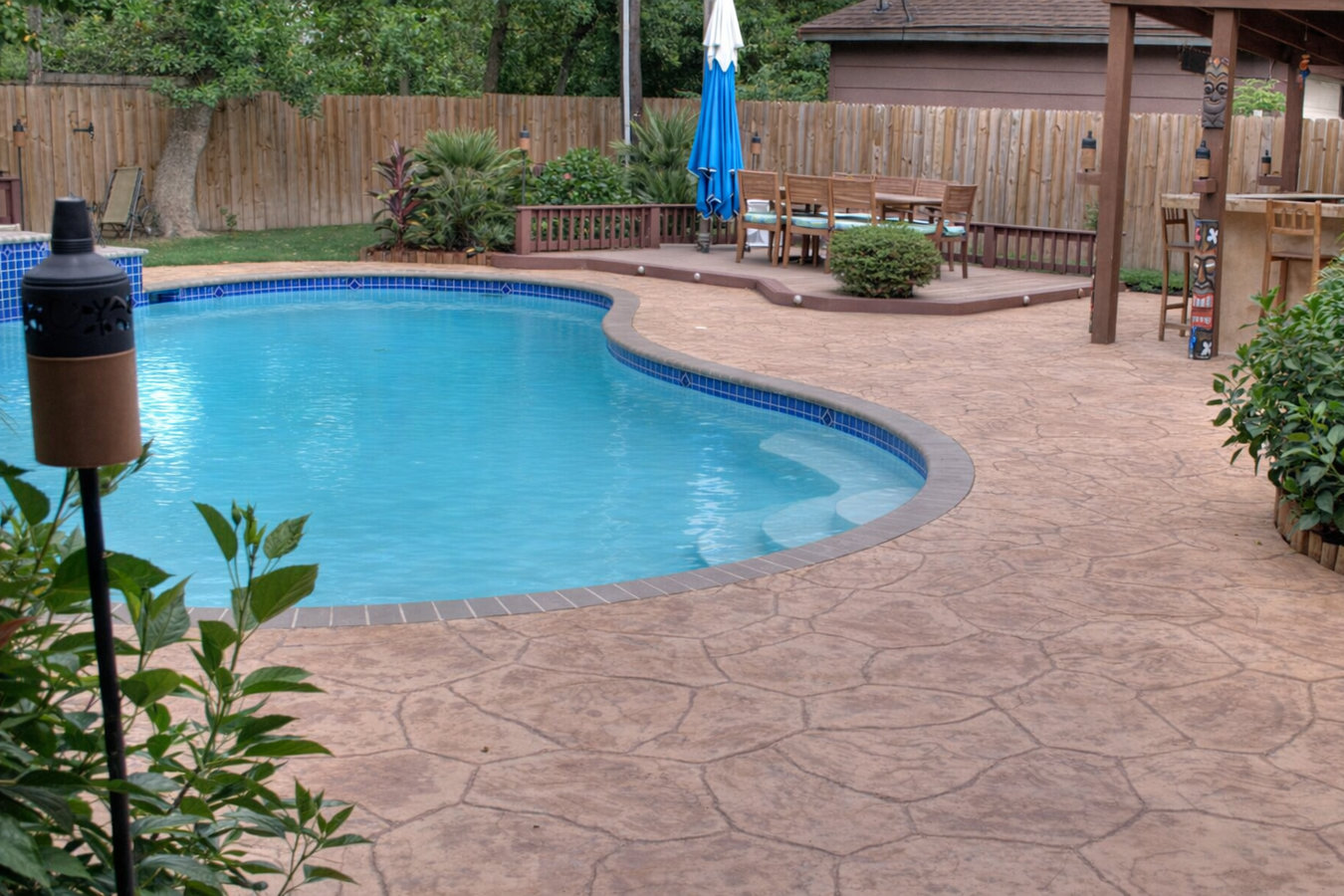
San Rafael homes in Terra Linda and the established hillside neighborhoods often have pool decks that are 30 to 50 years old and show the cracks and lifting that come with clay-soil movement and Marin winters. A replaced and properly finished concrete pool deck with a non-slip textured surface addresses the safety hazard and holds up far better through San Rafael's seasonal ground movement than aging pavers or cracked slabs.
The ranch homes in Terra Linda and Sun Valley were built with driveways that are now 60 to 70 years old in many cases. San Rafael's clay soil has been moving under those slabs every wet season since they were poured, and the results are visible in cracked, uneven surfaces throughout those neighborhoods. Replacing an aging driveway here requires thorough excavation and a compacted aggregate base — shortcuts will produce the same outcome in fewer years.
Hillside properties in the neighborhoods above downtown San Rafael and near Dominican University regularly face erosion, grade, and drainage challenges that a properly engineered concrete retaining wall resolves. On steep, wooded lots with significant winter runoff, concrete outperforms timber and block because it does not rot, shift, or blow out under hydrostatic pressure when drainage behind the wall is done right.
Older San Rafael properties often have small backyard slabs that collect standing water in wet months or have cracked so severely they are trip hazards. Replacing them with a new concrete patio graded for drainage and poured on a proper aggregate base makes the outdoor space usable year-round and eliminates the water-near- foundation problem that aging, low-sloped slabs create on San Rafael's older lots.
San Rafael homeowners who are upgrading older Craftsman or Spanish-style properties often want hardscape that fits the architecture — natural slate, aged stone, or brick-pattern textures that complement the home's character rather than clash with it. Stamped concrete delivers those looks at a lower cost than real stone and without the ongoing maintenance issues that pavers develop on clay-heavy ground.
Many of the older in-town neighborhoods around Fourth Street and Mission Avenue have public-facing walkways that have heaved from root growth and soil movement. The City of San Rafael holds property owners responsible for maintaining sidewalks adjacent to their parcels, so a cracked or raised section is not just a trip hazard — it is a maintenance obligation that needs attention before a complaint or notice is filed.
San Rafael is Marin County's oldest city, incorporated in 1874, and a large portion of its housing stock reflects that history. The Terra Linda and Sun Valley neighborhoods are filled with single-story ranch homes from the 1950s and 1960s — practical, durable houses that are now approaching 70 years old. The hillside neighborhoods above downtown have even older homes: Craftsman bungalows, Spanish colonial stucco houses, and early mid-century custom builds on steep, wooded lots. Both generations of housing have concrete work that has either reached or exceeded its service life.
Clay soils are common throughout Marin County, and San Rafael is no exception. The soil swells when winter rains arrive and shrinks again as spring dries it out. San Rafael averages about 37 inches of rain per year, most of it falling between November and March in concentrated storms. That combination of heavy rainfall and clay soil creates the conditions for cracked driveways, shifted walkways, failed retaining walls, and drainage problems that back water up toward foundations on low-sloped lots throughout the city.
Hillside neighborhoods in eastern and northern San Rafael sit in designated fire hazard severity zones. While concrete is non-combustible, contractors working on pool decks, patios, and outdoor surfaces on these properties need to understand the fire-resistance requirements that apply to adjacent structures and materials. Doing the concrete work right on a fire-zone property means not creating new compliance issues while addressing the work at hand.
We pull permits from the City of San Rafael Community Development Department and are familiar with the city's permitting process for retaining walls, pool deck work, and flatwork in both the flatland neighborhoods and the hillside zones. San Rafael's review process reflects Marin County's emphasis on drainage management and impervious surface control, and permit timelines vary depending on project scope and neighborhood designation.
Working in Terra Linda and Sun Valley is different from working on the hillside streets above downtown. The flat ranch-home neighborhoods have straightforward access and relatively predictable soil conditions, but the homes are old enough that demo and removal of original concrete often reveals undersized base material. The hillside streets near Dominican University and off Mission Avenue require careful staging on narrow lots, and drainage planning is part of every job scope on those properties.
We serve clients throughout Marin County, including neighboring Novato to the north and Mill Valley to the south. If your project is in San Rafael or a nearby Marin community, call us and we will give you a straight answer on timeline and cost.
We respond to all new inquiries within 1 business day. Share the address, a quick description of the project, and roughly how large the scope is so we can plan the site visit efficiently.
We visit your San Rafael property, assess existing conditions, evaluate drainage and soil, and provide a written, itemized estimate at no cost. You know exactly what the job costs before signing anything.
We pull all required permits with the City of San Rafael before work starts. Once approved, we handle excavation, base preparation, forming, reinforcement, and the pour. You are not required to be present for most of the work.
After the pour, we walk you through curing times before the site is fully restored. Foot traffic is safe in 24 to 48 hours; vehicles should wait seven days on new concrete. We do not close out a job until you are satisfied with the result.
We work on San Rafael properties from the Canal to the hillsides above downtown. No obligation — just a written quote for the work you need done.
(707) 231-4240San Rafael is the county seat and largest city of Marin County, with about 61,000 residents and a long history as the civic and commercial center of the region. The city spans a wide range of terrain and housing types. The flatlands along the Canal area in the southeast and the suburban neighborhoods of Terra Linda and Sun Valley to the north have a mix of postwar ranch homes and older multi-family housing. The hillside streets above downtown — particularly around Mission Avenue, Dominican University, and the hills east of Fourth Street — have older, more architecturally varied homes on steep, wooded lots.
The Dominican University of California, situated on a hilltop campus in the center of the city, has been part of San Rafael's identity since 1890. The Frank Lloyd Wright-designed Marin County Civic Center, just north of downtown, is one of the most recognizable buildings in the Bay Area and serves as the administrative heart of the county. Fourth Street in downtown San Rafael is the commercial main street of the city, lined with local shops, restaurants, and older commercial buildings.
San Rafael connects to the rest of the Bay Area via Highway 101, which runs through the center of the city. It sits between Novato to the north and Mill Valley and the rest of southern Marin to the south. The city's high home values and active real estate market mean that homeowners here invest seriously in maintenance and improvements, and the condition of driveways, pool decks, and outdoor hardscape is part of what buyers and owners pay attention to.
Durable concrete driveways designed for strength and long-term curb appeal.
Learn moreCustom concrete patios built for outdoor living and everyday use.
Learn moreDecorative stamped concrete that replicates stone, brick, and wood textures.
Learn moreSafe, code-compliant concrete sidewalks for residential and commercial properties.
Learn moreSmooth, sealed garage floors that stand up to vehicle traffic and daily wear.
Learn moreColored, textured, and finished concrete surfaces for beauty and function.
Learn moreStructural concrete retaining walls that hold soil and reshape your yard.
Learn moreInterior and exterior concrete floor installation for homes and businesses.
Learn moreSlip-resistant, heat-reflective pool decks poured and finished to last.
Learn moreSolid concrete steps built to specification for entryways and exteriors.
Learn moreConcrete slab foundations properly graded, reinforced, and poured on schedule.
Learn moreFull foundation installation services for new construction and additions.
Learn moreCommercial concrete parking lots engineered for heavy load and longevity.
Learn moreFoundation lifting and leveling to correct settling and restore stability.
Learn moreServing these cities and communities.
Call us or fill out the contact form and we will respond within 1 business day with a free written estimate. No obligation, no pressure.